
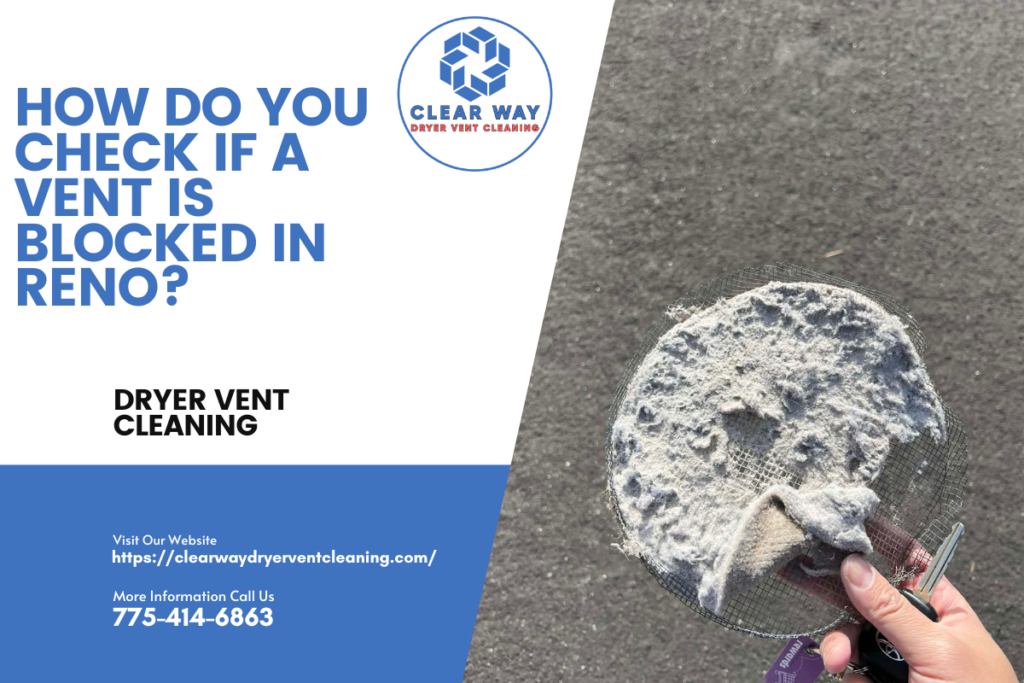
For homeowners in Reno, diagnosing a “blocked vent” requires understanding that three different systems could be the culprit: your plumbing, your dryer, or your HVAC—and in many cases, dryer vent cleaning Reno is the essential next step. The key to an effective solution is matching the specific symptom you’re experiencing—like a gurgling toilet, laundry that won’t dry, or dusty air—to the correct system. This guide will help you perform safe initial checks and determine who to call for a professional solution.
Is It Your Plumbing, Dryer, or HVAC? The Symptom-to-System Guide for Reno Homes
When something goes wrong in your home, it’s easy to say “the vent must be blocked.” But which one? Your house relies on several distinct vent systems to operate safely and efficiently. Confusing them can lead to wasted time, money, and potentially dangerous situations. Before you can find a solution, you need to play detective and follow the clues.
- Plumbing Vents: These pipes allow air into your plumbing system, preventing vacuum pressure that would otherwise stop your drains from working properly. They typically exit through your roof as a vertical pipe, known as a plumbing vent stack.
- Dryer Vents: This is a dedicated duct that expels hot, moist, lint-filled air from your clothes dryer to the outside of your home. It is a critical component for both efficiency and fire safety.
- HVAC Vents & Ducts: This complex network of ductwork circulates heated or cooled air from your furnace and air conditioner throughout your home. It includes both supply vents (blowing air out) and return vents (sucking air in).
Reno’s Unique Blockage Risks: Why Our Local Climate is a Factor
Living in the Truckee Meadows presents specific challenges for our home ventilation systems. From the high desert winds to our snowy winters, Reno’s environment can be tough on vents.
High Winds and Debris
Anyone who has experienced the Washoe Zephyr knows how powerful our winds can be. These high winds can blow leaves, twigs, and other debris directly into plumbing stacks on the roof. They can also damage or dislodge the exterior flaps on dryer and bathroom exhaust vents, creating an easy entry point for blockages.
Local Pests and Nests
Reno’s wildlife, while beautiful, can cause significant problems. Birds frequently see unprotected dryer and bathroom vents as ideal, sheltered locations for building a nest. We often find a birds nest in a bathroom vent in older homes in the Old Southwest Reno area. Rodents can also crawl into ductwork or crawl space vent obstructions, building nests that severely restrict airflow and introduce contaminants into your home’s air.
Winter Conditions and Ice Dams
During our cold, snowy winters, especially in higher elevation neighborhoods near Mt. Rose, frost can close a plumbing vent completely. Heavy snowfall can bury a roof vent, and ice dams can form around the vent opening, effectively sealing it shut. This blockage prevents sewer gas from escaping and can cause serious drainage issues inside the home.
A Homeowner’s Triage Checklist: Safe, Simple Checks You Can Do Today
Before calling a professional, you can perform a few simple visual checks to help narrow down the problem. These steps are designed for safety and can give you valuable information.
Diagnosing a Blocked Plumbing Vent
Common Symptoms: The most common symptoms of a blocked plumbing vent stack in Reno are a slow draining toilet and shower, a distinct sewer gas smell in the house, or hearing a gurgling toilet sound diagnosis after flushing or when another drain is used. You may notice that when your washing machine drains, your toilet bubbles. Can a blocked vent cause a toilet to bubble? Absolutely, it’s a classic sign of negative air pressure in the drain pipes.
- Listen Closely: Pay attention to your drains. Are your drains gurgling in Reno homes? This sound is often caused by air being pulled through the P-trap because the main vent is clogged. A slow draining sink and gurgling toilet are strong indicators.
- Smell Test: A persistent sewer gas smell, often strongest in a bathroom, is a major red flag that the plumbing vent is not doing its job.
- Visual Roof Check (From the Ground): Using binoculars, safely look at your roof from the ground. Can you see the plumbing vent on your roof? Look for visible obstructions like a bird’s nest, heavy debris, or a thick layer of snow or ice over the pipe’s opening. Do not climb on your roof, especially in icy conditions.
Diagnosing a Blocked Dryer Vent
Common Symptoms: The number one complaint we hear is “my dryer takes too long to dry clothes.” The first sign of a clogged dryer vent is clothes taking longer to dry due to impeded airflow. Other signs of a clogged dryer vent in Reno include the top of the dryer being hot to the touch during a cycle, a musty smell on your “clean” laundry, or an overheating dryer warning that shuts the appliance off mid-cycle.
- Check the Exterior Vent: Find where your dryer vents to the outside. Is the flap or louver opening freely when the dryer is running? Can you feel warm air escaping? If you see lint built up around the opening or the flap is stuck shut, you likely have a blockage.
- Inspect the Transition Duct: Carefully pull your dryer away from the wall. The flexible hose connecting the dryer to the wall is a common place for lint buildup and crushing. Is it kinked, crushed, or full of lint? Cleaning lint buildup behind the dryer is a critical first step.
- DIY Dryer Vent Blockage Test: A simple test is to disconnect the transition duct from the back of the dryer and run a small load. If it dries significantly faster, the blockage is in your home’s ductwork, not the machine itself.
Diagnosing Blocked HVAC Ducts
Common Symptoms: Have you noticed some rooms are much colder or hotter than others? This is a common sign of clogged air ducts. Other symptoms include excessive dust accumulating on surfaces shortly after cleaning, a musty smell from air vents in your house, or visibly dirty vent covers. Dirty HVAC air vents block airflow, which can lead to uneven heating and cold spots throughout a home.
- Check the Air Filter: A severely clogged air filter is the most common cause of restricted airflow from HVAC vents. Check it first and replace it if it’s dirty.
- Visual Vent Inspection: Remove a few vent covers (registers) in different rooms. Look inside the duct opening with a flashlight. Can you see excessive dust, debris, or even children’s toys?
- Feel the Airflow: With your system running, hold your hand up to each supply vent. Is the airflow weak or non-existent in certain areas? Be sure to also check your air return vents (the larger grilles) to ensure they are not blocked by furniture or rugs. Clearing a blocked air return vent can significantly improve your HVAC efficiency and airflow problems.
The Dangers of Misdiagnosis: Beyond the Obvious Clog
Identifying the correct system is about more than just finding the right repair person; it’s about safety. Misdiagnosing the problem can lead to ineffective fixes and leave your family exposed to serious risks.
- Plumbing Vent vs. Drain Clog: Pouring chemical drain cleaners down a slow drain caused by a blocked plumbing vent will do nothing to solve the problem. Meanwhile, dangerous sewer gases like methane and hydrogen sulfide can continue to seep into your home, causing headaches, nausea, and other health issues.
- HVAC Blockage vs. Faulty Furnace: If your furnace keeps shutting down, you might assume the unit is failing. However, a blocked exhaust vent (a specific type of HVAC vent for combustion gases) can prevent toxic carbon monoxide from escaping. This can cause the furnace’s safety switches to trip, or worse, allow the colorless, odorless gas to build up inside your home. This carbon monoxide risk from a blocked furnace vent is a life-threatening emergency.
- Dryer Blockage vs. Failing Appliance: Many people replace a perfectly good dryer because they think it’s broken when the real issue is a clogged vent line. This is an expensive mistake that doesn’t solve the underlying danger. Lint is highly flammable. According to Good Housekeeping, there are nearly 15,000 residential dryer fires annually, with the leading items ignited being lint, dust, and fiber from blocked vents. Dryer vent fire hazard prevention is one of the most important home maintenance tasks.
Comparing Your Home’s Vent Systems: Symptoms, Appliances, and Risks
Dryer Vents
Specific Symptom Observed
Laundry takes too long to dry, clothes are hot and damp after a full cycle, musty smell on clothes, overheating appliance.
Associated Appliance
Clothes Dryer
Safety Concerns
High risk of fire due to flammable lint buildup. Can also lead to moisture damage and mold growth inside walls.
HVAC Vents
Specific Symptom Observed
Uneven home heating or cooling, dusty rooms, poor indoor air quality, musty smells when the system runs, high energy bills.
Associated Appliance
Furnace / Air Conditioner
Safety Concerns
Poor air quality can aggravate allergies and asthma. A blocked furnace exhaust vent can create a severe carbon monoxide risk.
Plumbing Vents
Specific Symptom Observed
Gurgling drains, slow draining toilet or shower, sewer gas smell in the home, bubbling toilet when other fixtures are used.
Associated Appliance
Toilets, Sinks, Showers, Washing Machine (all plumbing fixtures)
Safety Concerns
Exposure to unhealthy and potentially flammable sewer gases. Can also lead to failed seals in toilet wax rings due to pressure fluctuations.
Frequently Asked Questions About Blocked Vents in Reno
Navigating home maintenance can be confusing. Here are answers to some common questions we hear from homeowners across Washoe County.
How to check for a blocked vent?
Start by identifying the symptoms. Gurgling drains point to a plumbing vent issue. Clothes taking too long to dry indicates a dryer vent clog. Dusty air and poor airflow suggest an HVAC problem. From there, you can perform the simple, safe visual inspections outlined in our Triage Checklist above.
Should I call a plumber for a clogged vent?
It depends on the vent. If you’re experiencing gurgling drains and sewer smells, you should call a plumber to fix the vent stack in Reno. If your dryer isn’t drying clothes, you need a specialist for professional dryer vent cleaning in Reno NV. For issues with airflow from your heating or cooling system, contact one of the best air duct cleaners in Reno.
How much does it cost to clear a clogged vent pipe?
The cost varies significantly by the type of vent and the complexity of the blockage. For example, the cost to clean air ducts in Reno NV can range from $400 to $900 depending on the size of your home. A professional vent inspection cost in Reno for a dryer system is typically much lower, often under $200. Clearing a roof plumbing vent stack can be more involved, especially if it requires getting on a steep or icy roof, and costs will reflect that labor and risk.
How do I unblock a vent?
For simple issues, you might be able to help. You can change your HVAC filter or clean the lint trap and transition hose on your dryer. However, for significant blockages deep within the system—like how to clear a roof vent blockage or perform a full ductwork cleaning—you need professional tools and expertise. Attempting to clear a plumbing vent from the roof is extremely dangerous and not recommended for homeowners.
Making the Right Choice for Your Needs
Once you’ve diagnosed the likely system, the next step is deciding on a course of action. Your best choice depends on your comfort level, budget, and priorities.
For the DIY Homeowner
Your goal is to solve the problem efficiently while saving money. Start with the Triage Checklist. Clean the dryer transition hose, change your HVAC filter, and inspect vent covers. If the problem persists after these simple fixes, it indicates the blockage is deeper in the system. At this point, trying to go further without the right tools can cause damage or be unsafe. Your best move is to call a professional with the diagnostic information you’ve already gathered.
For the Safety-Conscious Parent
Your top priority is your family’s well-being. The risks of fire from a clogged dryer vent or poor air quality and potential carbon monoxide from HVAC issues are not worth taking. While a gurgling drain is an annoyance, an overheating dryer is a direct threat. For peace of mind, schedule a professional inspection for any system showing signs of a blockage. We recommend an annual attic vent inspection service in Reno and checking that you have working CO detectors. It is generally recommended to clean HVAC air vents at least once a year, and knowing how often to clean dryer vents in Reno (at least annually) is key to preventing fires.
For the Busy Professional
Your time is valuable, and you need a fast, reliable solution. Trying to troubleshoot the issue yourself can take hours you don’t have. Your best course of action is to identify the primary symptom (laundry, air, or drains) and immediately call the appropriate local vent cleaning professionals in Reno. A qualified technician can diagnose and resolve the problem quickly, often on the same day, ensuring your home runs smoothly without disrupting your schedule.
Ultimately, understanding which vent system is causing your problem is the most critical step. While complex HVAC and plumbing issues require their own dedicated specialists, if your symptoms point to a struggling dryer, don’t ignore the risk. A blocked dryer vent is more than an inconvenience; it’s a genuine fire hazard in your home. For a professional assessment and a clear path to a safer, more efficient dryer, contact the expert team at Clear Way Dryer Vent Cleaning today for a free quote.